Year
2025
By
JD Tech
Category
Jeje Wasabi
DEtail
Technology
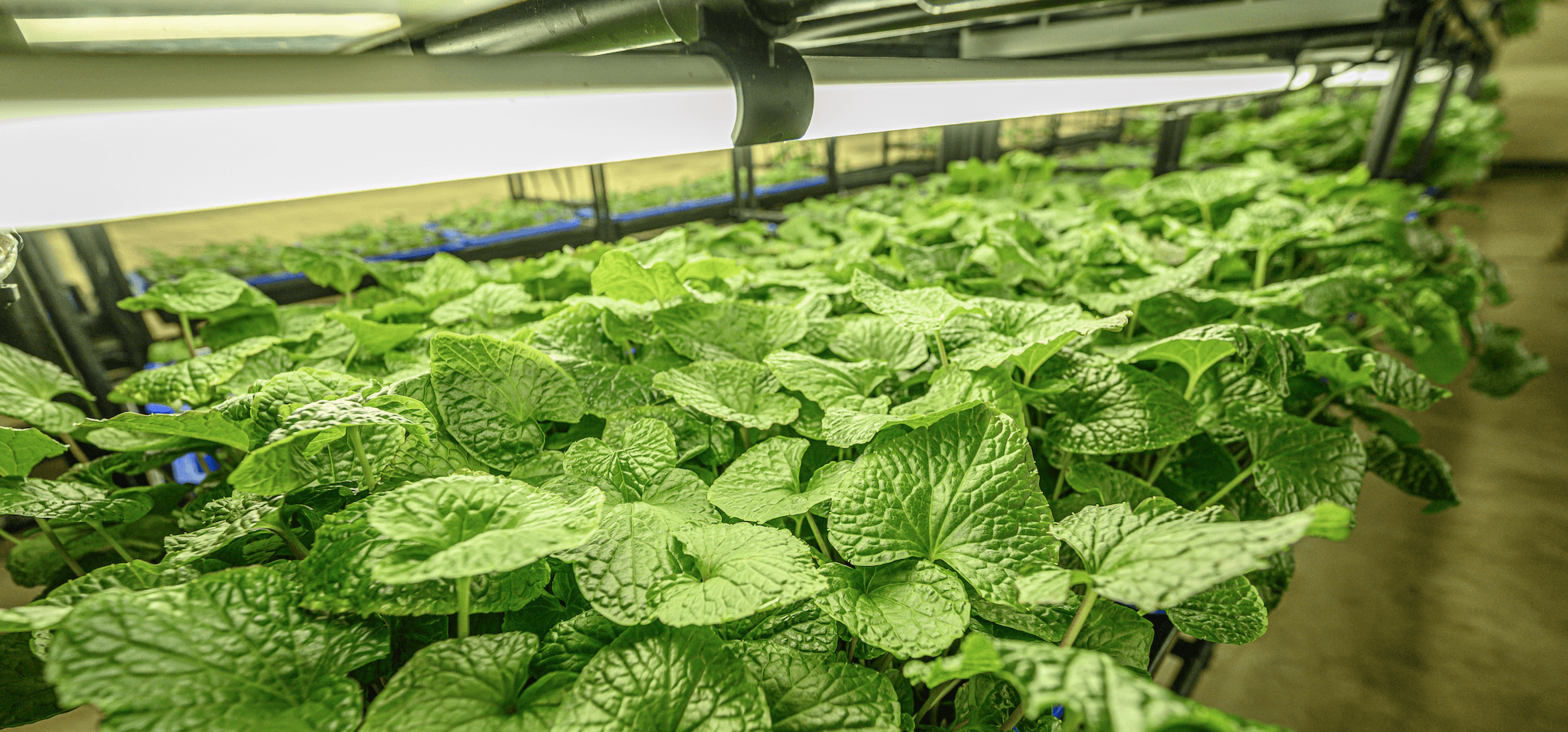
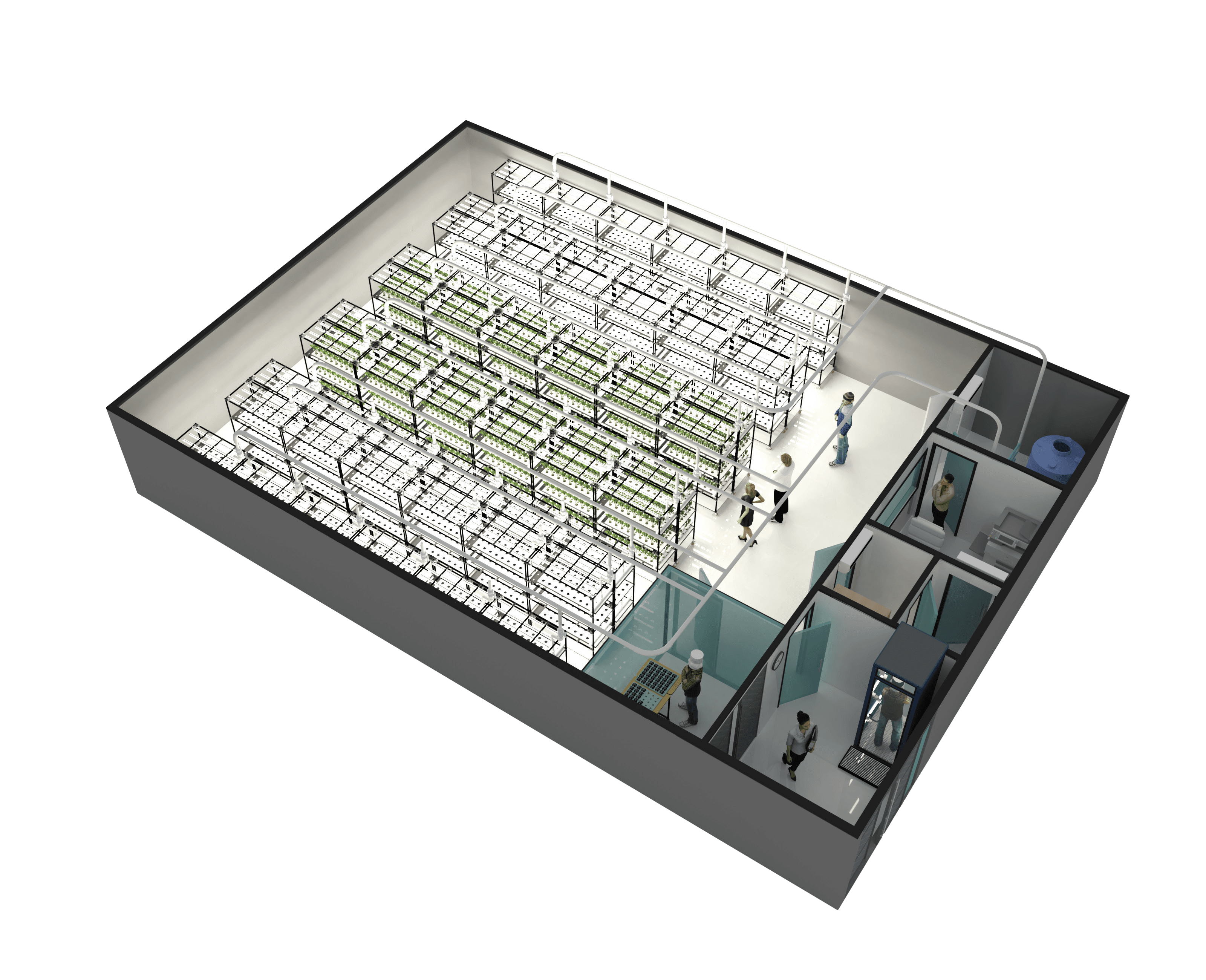
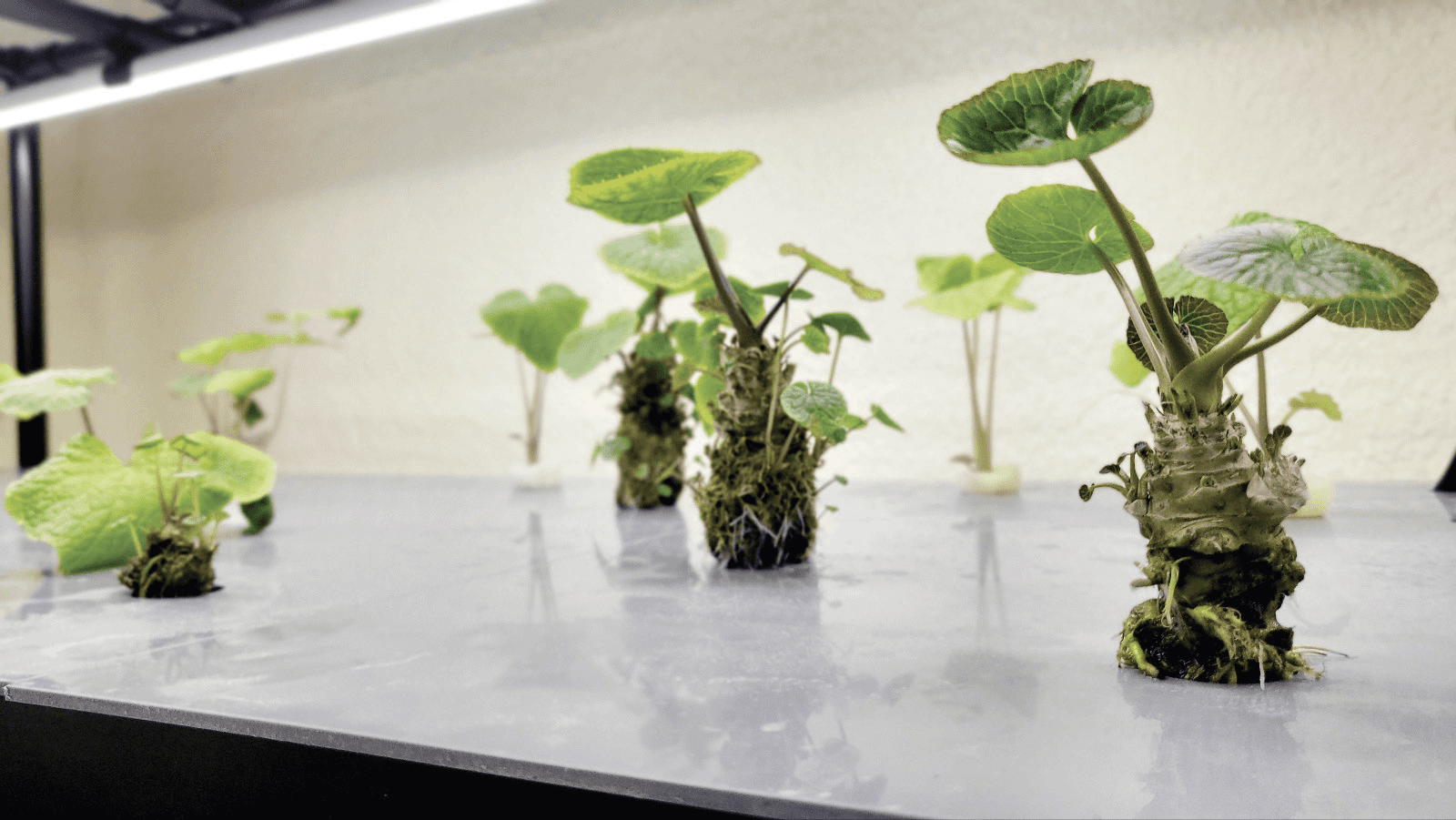
Wasabi, one of the most environmentally sensitive and high-value crops, requires extremely precise control of temperature, water quality, humidity, light intensity, and dissolved oxygen. Even minor fluctuations can lead to significant variations in quality, making year-round stable supply nearly impossible under traditional methods. JD Tech addresses this challenge through an advanced combination of hydroponic smart-farming systems, real-time environmental sensing (DAS), and AI-based growth algorithms—together forming a precision-controlled cultivation platform.
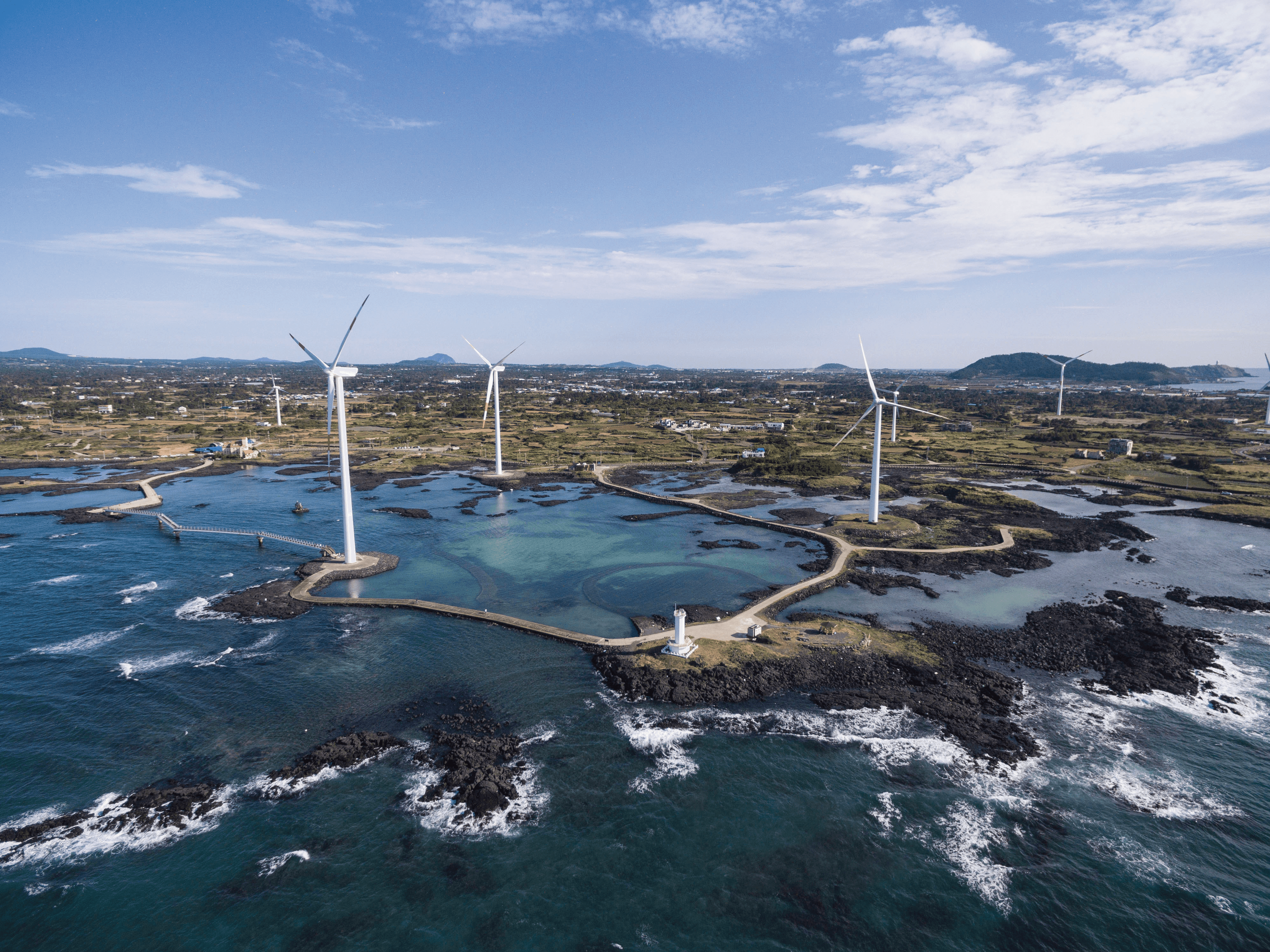
Jeju Island was selected as a production base for scientific reasons. Its volcanic bedrock water from 50 meters underground provides exceptional mineral balance, oxygen levels, and water purity ideal for wasabi cultivation. The island’s mild oceanic climate minimizes external stress, while its clean natural environment aligns perfectly with a closed-loop smart-farm system.
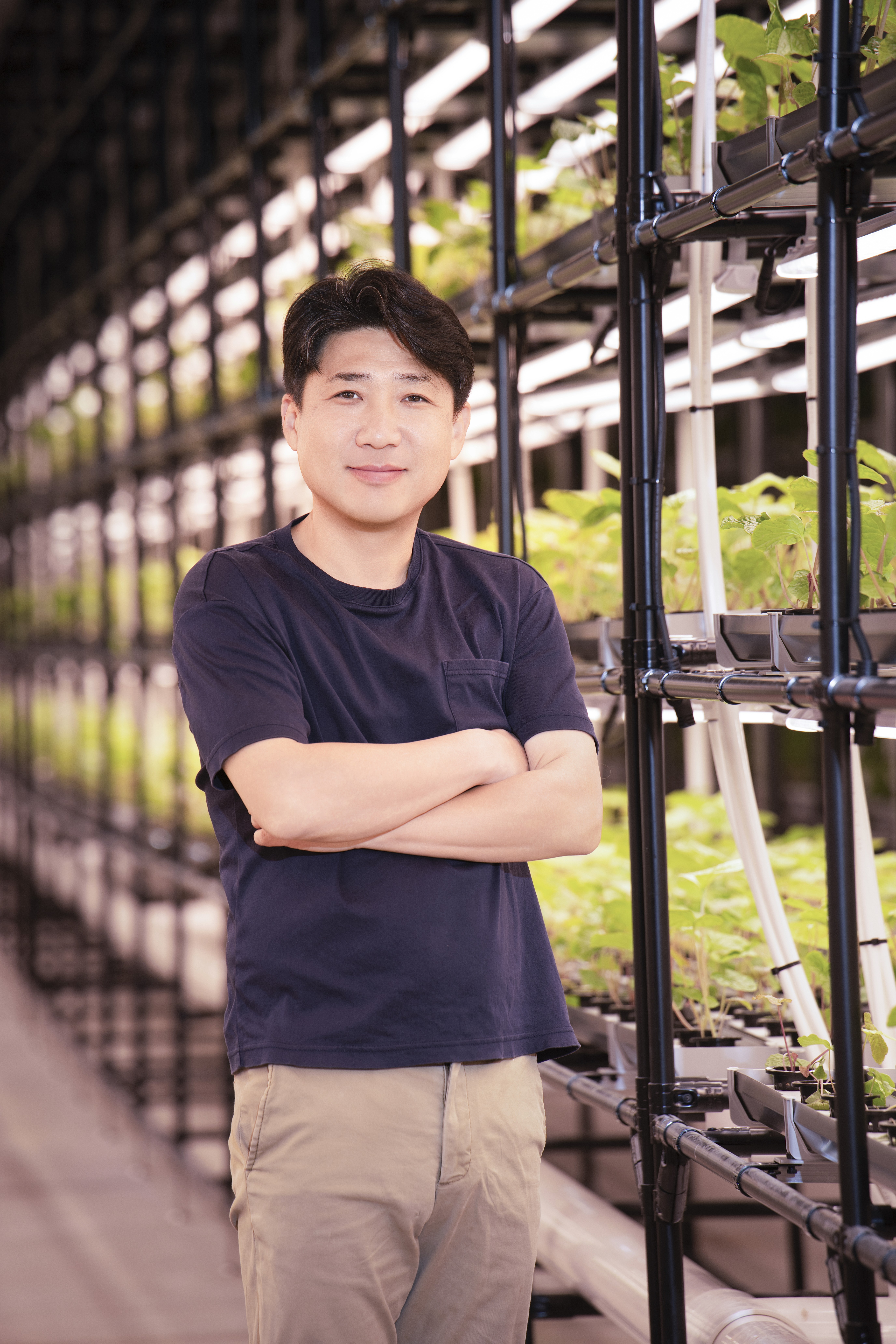
JD Tech’s mission—“Technology that supports Nature”—emphasizes maximizing natural potential rather than replacing it. The company's goal is to create a resilient farming ecosystem that remains stable even under climate variability. Jeju Wasabi embodies this philosophy and is emerging as a new quality benchmark in premium domestic and global food markets.
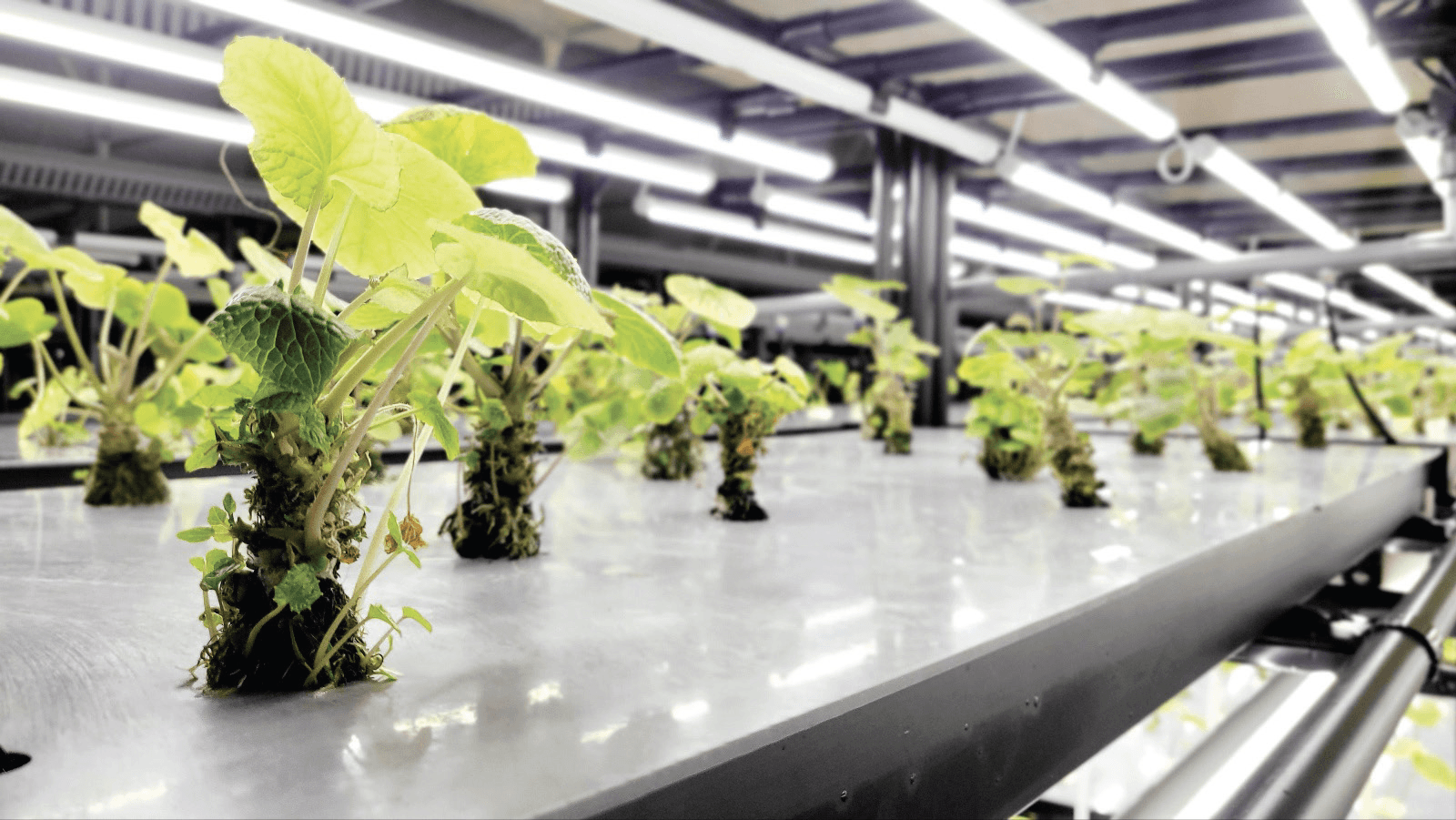
JD Tech’s R&D Center is built to analyze the wasabi growth cycle in its entirety. The facility integrates tissue culture, controlledgrowth trials, environmental factor analysis, nutrient testing, and metabolomic profiling—creating a scientific foundation for standardized quality. Tissue culture is critical for producing disease-resistant and genetically uniform plantlets. This significantly reduces early-stage variability and stabilizes downstream production.
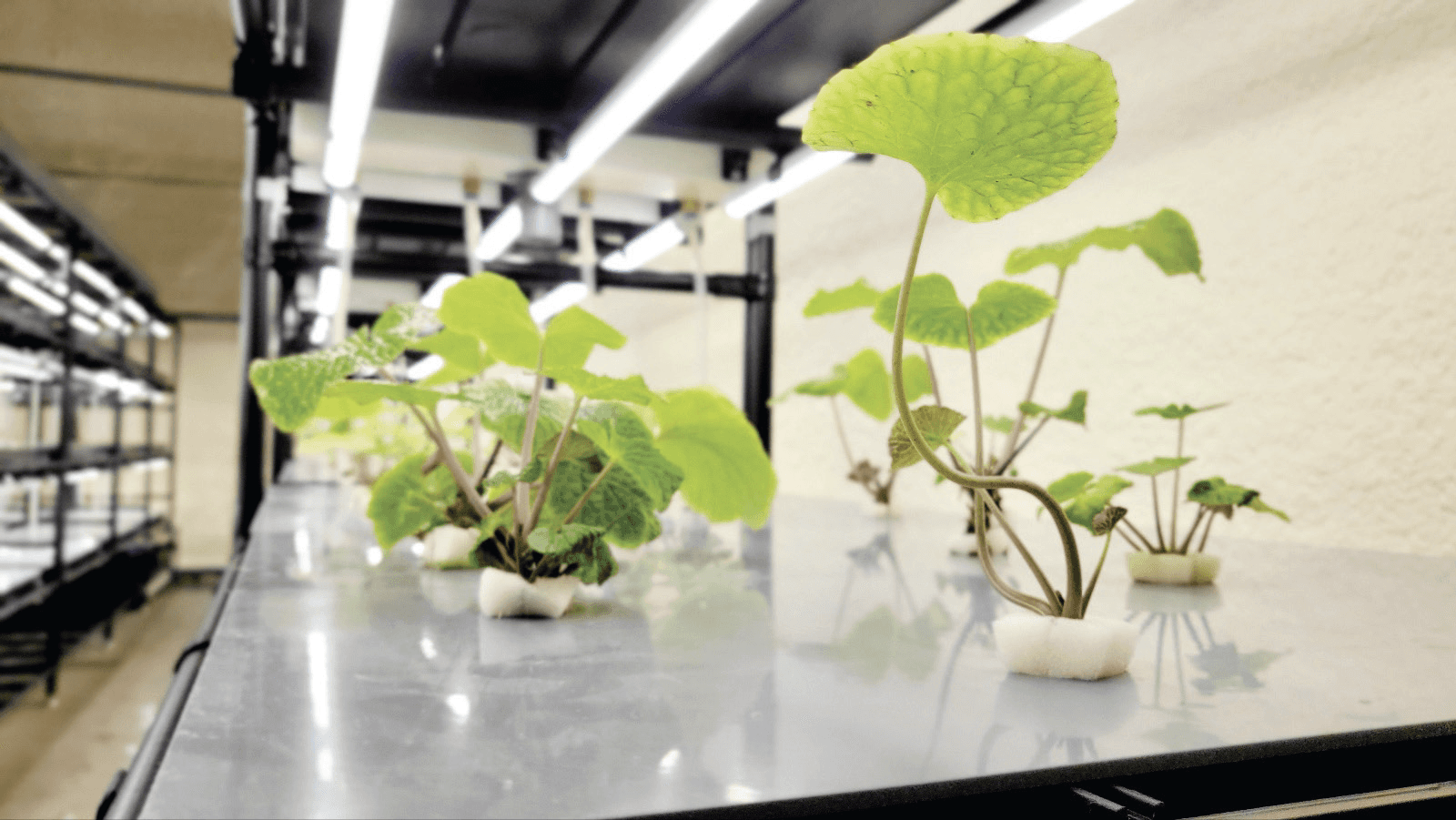
Through DAS-based data accumulation, the R&D team constructs environment–growth correlation matrices, analyzing
• how temperature shifts affect rhizome expansion
• how nutrient concentration affects leaf productivity
• how light intensity affects flavor compounds such as AITC
These findings continuously refine the AI growth model. Collaboration with Jeju Technopark and domestic research universities enables metabolomic analysis, quantifying flavor and pungency components by cultivar, and supporting market-oriented optimization. The long-term objective is an AI-driven fully autonomous cultivation system, capable of managing environment, nutrients, and lighting without human intervention.